
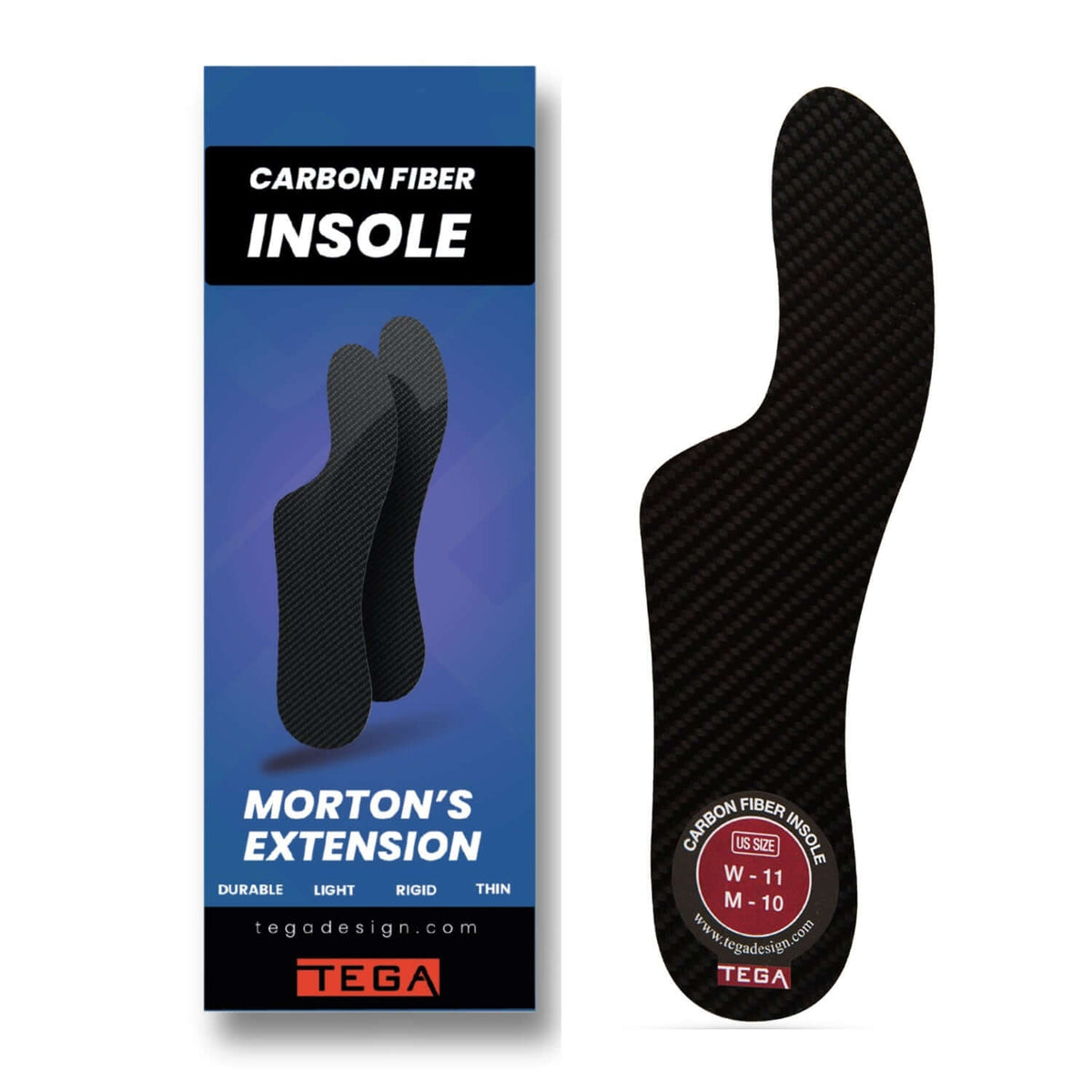
Morton's Extension Orthotic (1.3mm)
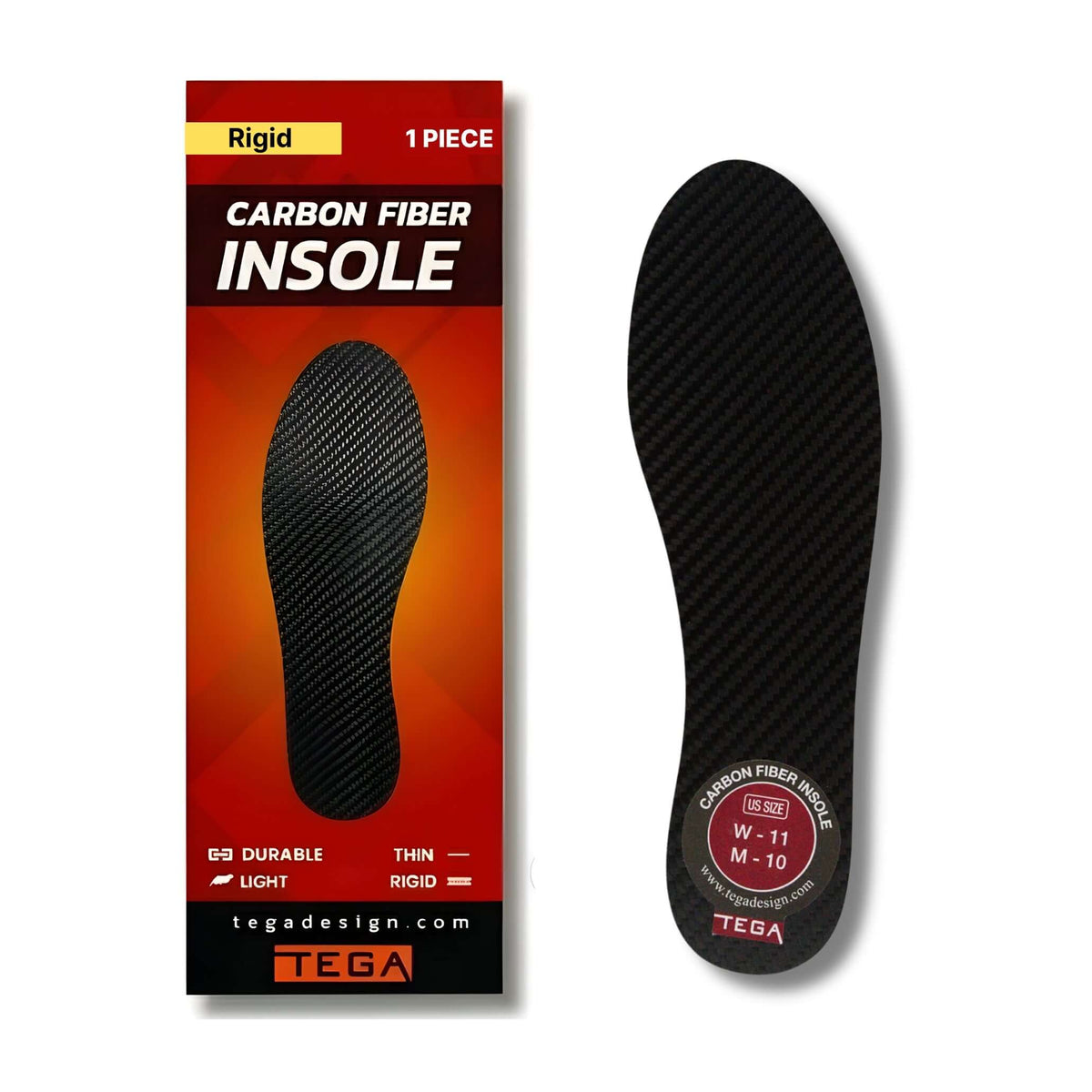
Rigid Carbon Fiber Insole (1.3mm)
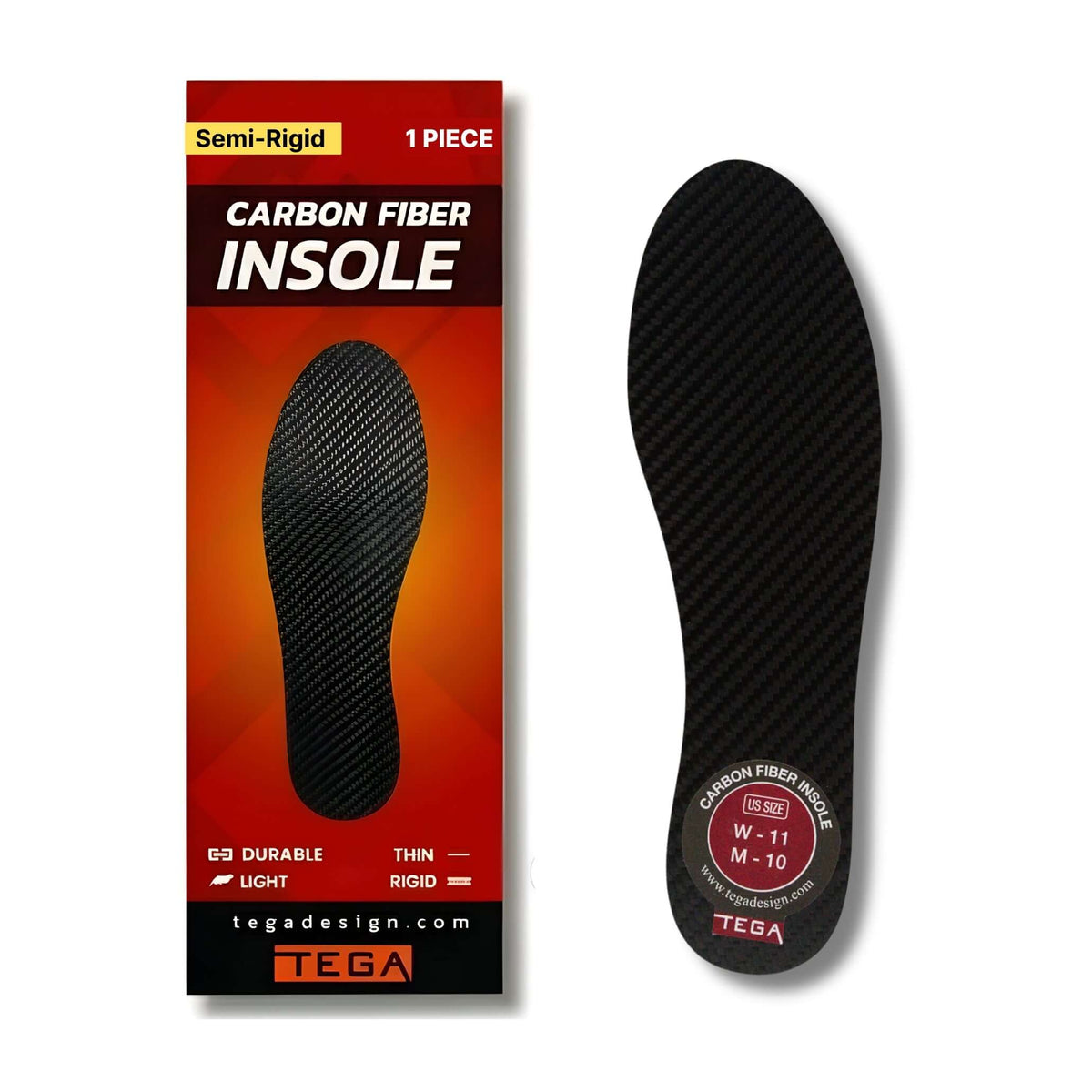
Semi-Rigid Carbon Fiber Insole (1.1 mm)
Carbon fiber insoles for turf toe pain relief provide rigid support to limit toe movement, reducing strain and promoting healing. Their lightweight yet durable design helps alleviate pain, improve stability, and protect the foot during activities, making them ideal for recovery and prevention.
What Is the Best Insole for Turf Toe?
Frequently Asked Questions
What is turf toe and how does it happen?
Turf toe is a sprain of the ligaments around the big toe joint, caused by the toe being forced upward beyond its normal range — a motion called hyperextension. It's most common in athletes who play on hard or artificial surfaces (football, soccer, basketball), but it can happen to anyone who pushes off aggressively or stumbles. The result is pain, swelling, and stiffness at the base of the big toe that can make every step feel sharp and unstable.
Why does a rigid insole help with turf toe recovery?
The core problem with turf toe is that the injured ligaments and joint capsule are being re-stressed with every step you take — because walking naturally forces the big toe to bend upward at push-off. A rigid insole breaks that cycle. By stiffening the sole of the shoe, it prevents the toe from bending upward, giving the damaged tissue the mechanical rest it needs to heal. Reducing that repeated motion is what allows recovery to actually progress rather than stall.
Why carbon fiber specifically — not plastic or a stiff shoe?
Carbon fiber offers a combination that nothing else matches: extreme rigidity at just 1.3mm thickness. A stiff shoe alone can't fully control toe movement at the joint level, and plastic insoles are either too thick to fit comfortably or too flexible under load. The Tega Design Rigid Carbon Fiber Insole uses a 3K twill weave carbon fiber plate that resists bending even under full body weight, while being thin enough to slip under your existing shoe insole without crowding the foot.
Can I keep playing sports while using a rigid insole for turf toe?
In many cases, yes — and that's one of the key advantages of a rigid carbon fiber insole. Controlled early return to activity with a carbon fiber plate can actually support healing by maintaining circulation and muscle engagement without stressing the injured joint. Athletes from recreational players to professionals use rigid carbon fiber insoles to stay active during turf toe recovery. That said, severity matters — Grade 3 turf toe (complete ligament tear) typically requires more rest and medical supervision before returning to play.
How is turf toe different from hallux rigidus, and does the same insole work for both?
Turf toe is an acute injury — a sudden ligament sprain from a specific incident. Hallux rigidus is a chronic degenerative condition — cartilage breakdown that develops gradually over time. They feel similar (big toe joint pain, limited movement) but have different causes. The good news: a rigid carbon fiber insole addresses both by limiting joint motion. The same insole that protects a recovering turf toe injury also relieves the chronic stress of hallux rigidus.
How long should I wear the insole during turf toe recovery?
Most people wear a rigid insole consistently throughout the day during the active recovery phase — typically 4 to 8 weeks depending on injury grade — and then continue using it during high-impact activity as a preventive measure. The insole should be placed under your shoe's existing insole, and it can be moved between shoes. Gradually increasing wear time in the first few days is recommended, as the stiffness feels unfamiliar at first and the foot needs time to adapt.
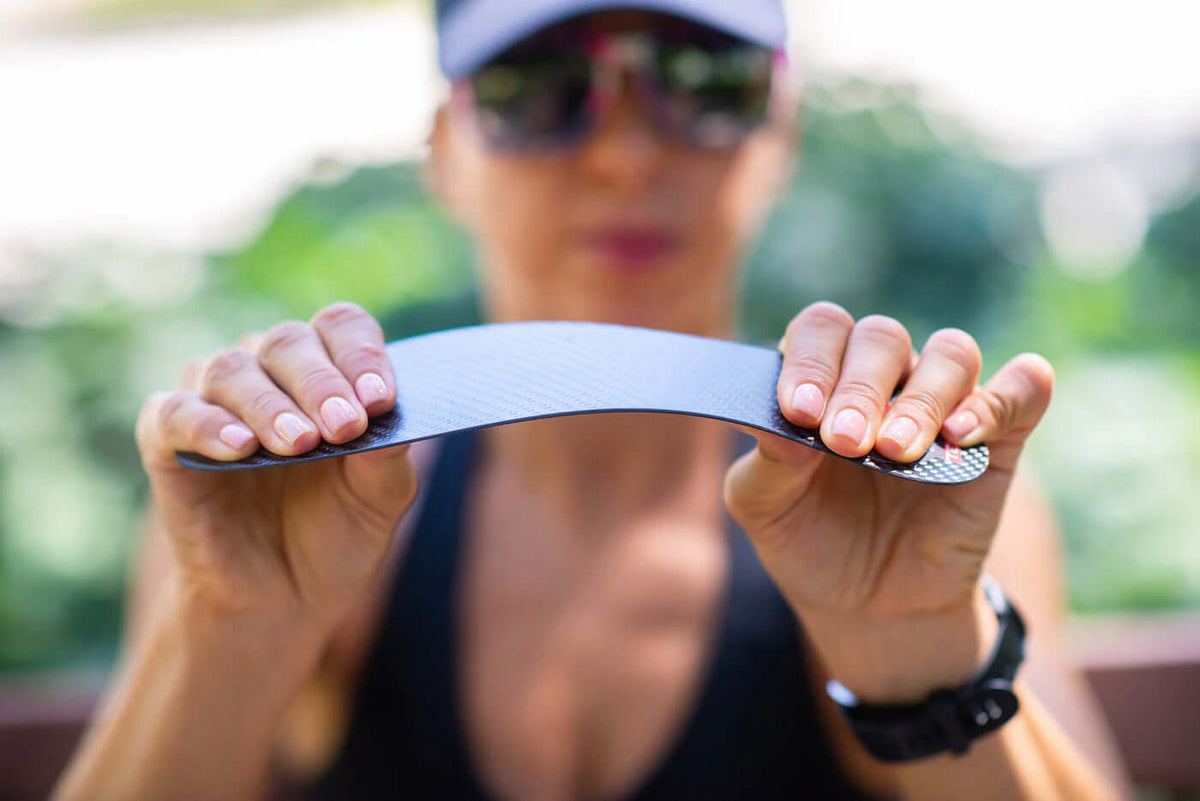
What is Turf Toe? How to Use Carbon Fiber Insoles For Turf Toe?
Check out our blog post about Turf Toe!