
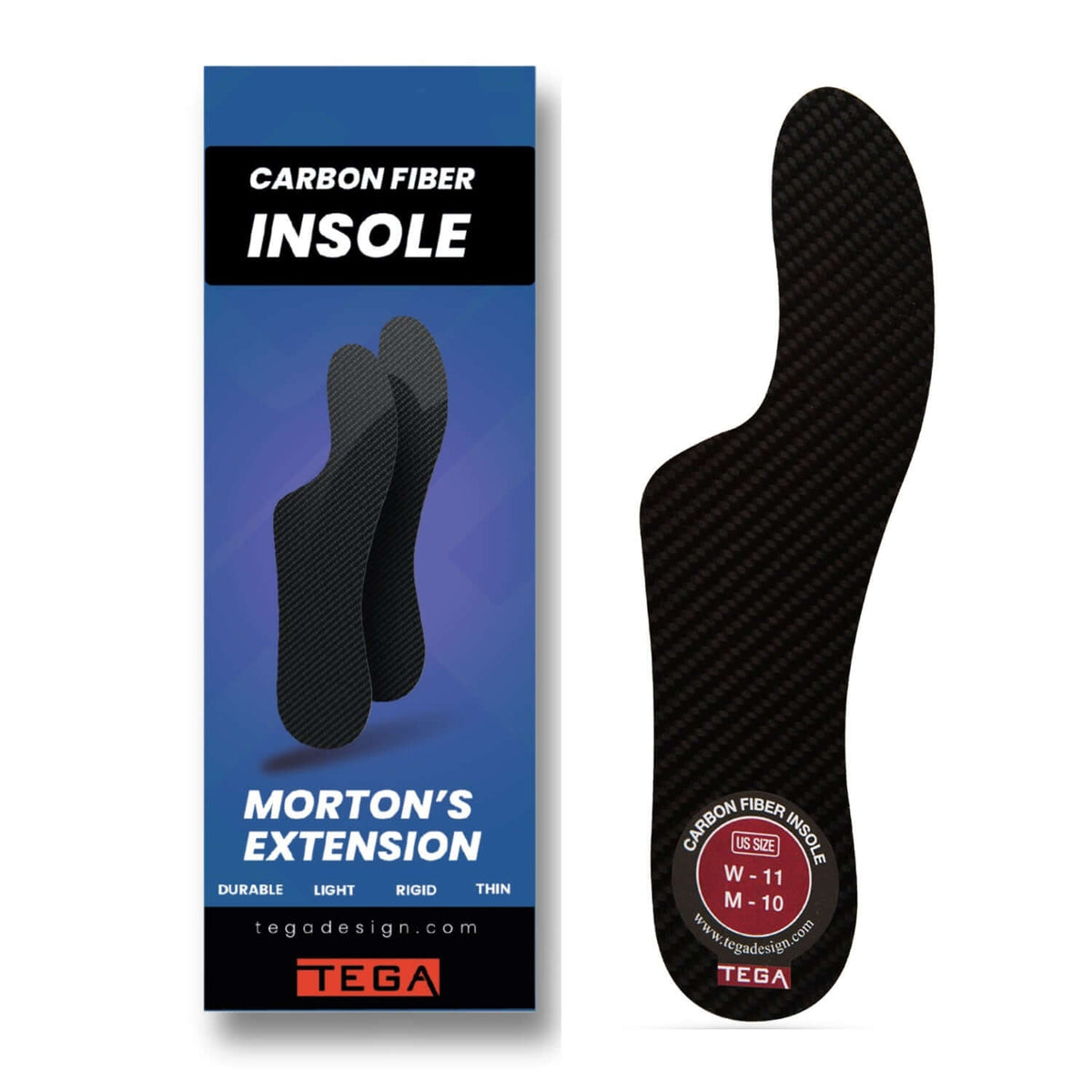
Morton's Extension Orthotic (1.3mm)
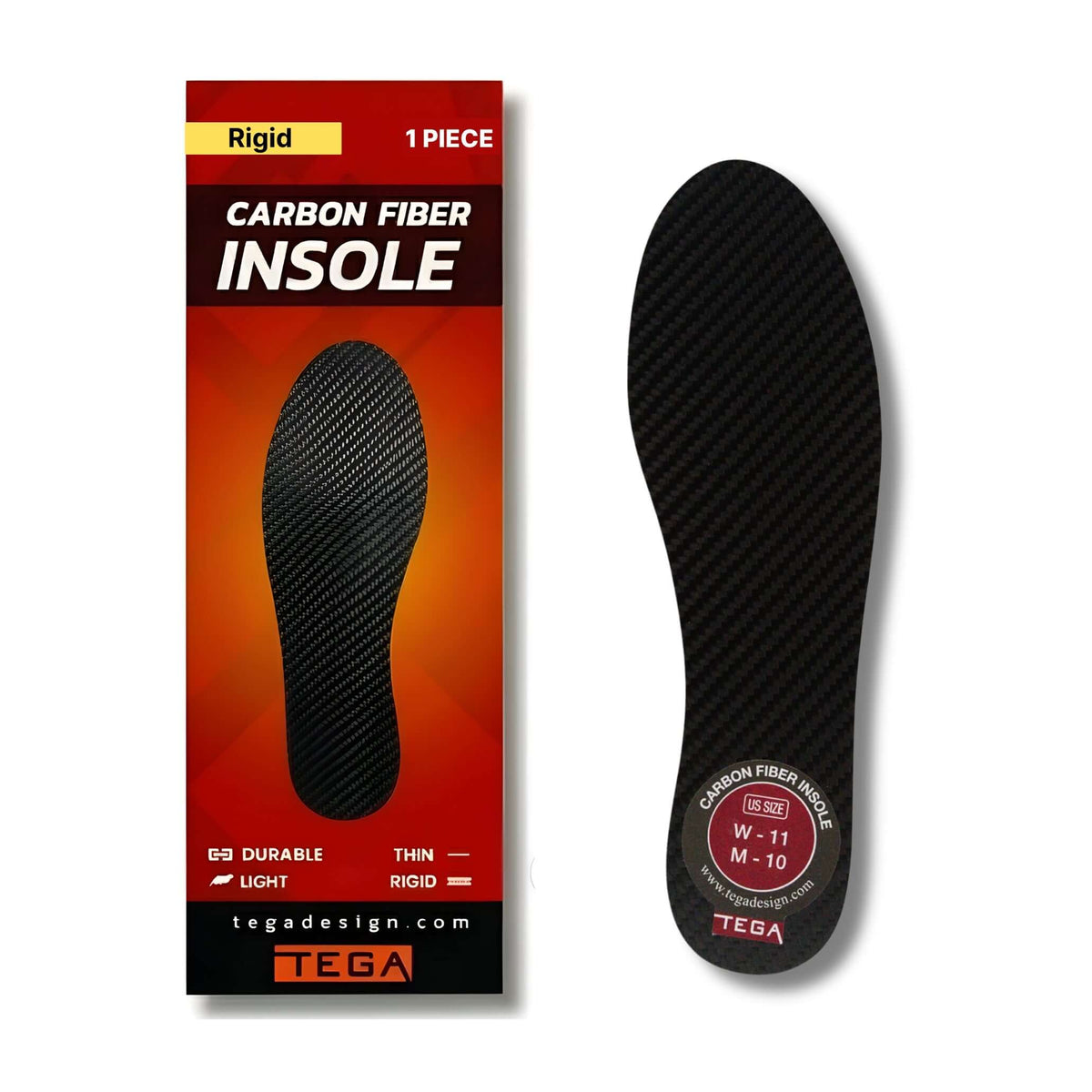
Rigid Carbon Fiber Insole (1.3mm)
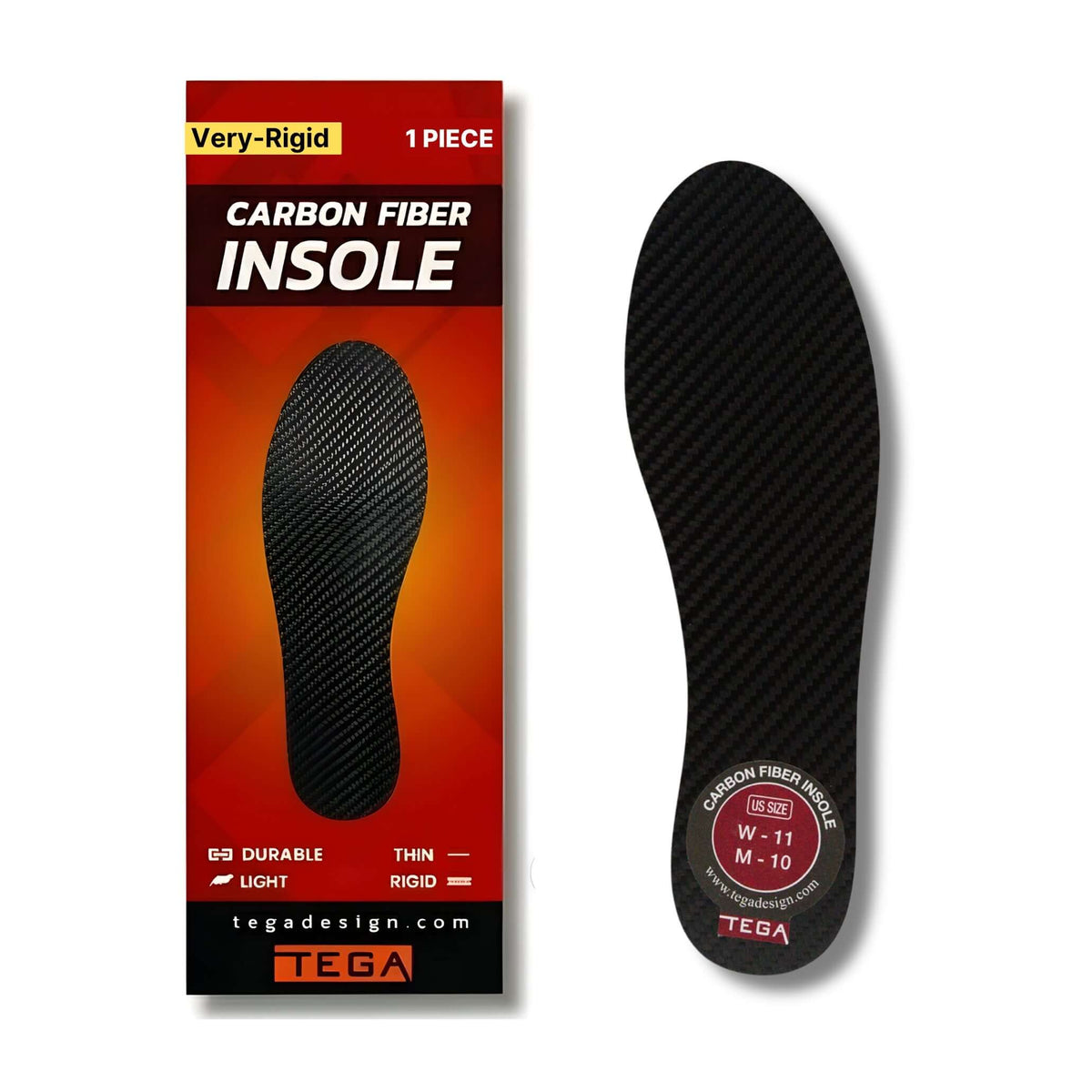
Very Rigid Carbon Fiber Insole (1.5mm)
Insoles for Big Toe Pain That Actually Work
Big toe pain can affect the way a person walks, stands, or pushes off during everyday movement. Tega Design created this insole collection for big toe pain to provide structured support around the forefoot, using rigid carbon fiber rather than relying solely on soft cushioning. The firm construction can help limit excessive movement and create a more stable foundation beneath the foot. For people who prefer a structured feel, these insoles offer an alternative to conventional soft inserts.
Common Causes Behind Big Toe Pain
Arthritis, turf toe injuries, bunions, and structural differences such as Morton's toe can contribute to discomfort around the big toe and forefoot. Each condition can affect foot movement and pressure distribution in different ways, so identifying the underlying cause is important when choosing appropriate support. The level of rigidity needed may also vary depending on the condition, footwear, activity level, and individual comfort preferences. Anyone experiencing persistent or worsening symptoms should seek an assessment from a qualified healthcare professional.
How the Right Shoe Insert Provides Relief
Our well-designed shoe inserts for big toe pain can provide a firm foundation beneath the foot while helping limit excessive movement around the big toe. Structured support may also help distribute pressure more evenly during walking and standing. Choosing the right insert depends on the source of discomfort, the footwear being used, and the level of support required.
Pressure Redistribution
Instead of concentrating force around one area of the forefoot, a supportive insole can help distribute pressure across a broader surface. This may reduce pressure points and create a more balanced feel during each step. The rigid carbon fiber construction provides a stable platform while supporting controlled movement.
Support for Every Step of the Day
Consistent support can be useful for people who spend long periods standing, walking, or participating in physical activities. The structured insole maintains its supportive properties throughout repeated steps rather than relying only on soft cushioning. These can provide a more stable and supported feel during everyday routines.
When to Buy Insoles for Big Toe Pain
People experiencing recurring stiffness, tenderness, or discomfort around the big toe may consider adding structured support to their footwear. Athletes recovering from an injury and adults managing ongoing joint discomfort may have different support requirements based on their individual circumstances. Choosing suitable insoles early can provide extra support; however, if symptoms persist or worsen, it is important to consult a qualified healthcare professional. A suitable insole can also make every day walking and standing feel more supported when the footwear provides enough room and stability.
Take the First Step Toward Relief
Persistent big toe discomfort can affect everyday activities, including walking, standing, exercising, and working. We also offer the best turf toe insoles for athletes who are dealing with a sports-related injury. Explore Tega Design's collection today and choose a structured insole designed to provide the stability and comfort your footwear setup requires.
What Is the Best Insole for Big Toe Pain?
Frequently Asked Questions
What causes big toe pain?
Big toe pain is rarely just one thing. The most common causes are hallux rigidus (arthritis of the big toe joint), hallux limitus (early-stage stiffness), turf toe (a ligament sprain from hyperextension), sesamoiditis (inflammation of the small bones under the joint), gout, and bunions. While these conditions feel similar — pain at the base of the big toe, worse with walking and push-off — they have different root causes. What they share is that uncontrolled joint movement makes them all worse, which is why the right insole can help across multiple conditions.
How does an insole reduce big toe pain?
Most big toe pain is aggravated during push-off — the moment in your gait cycle when the toe bends upward and bears the full force of your body weight. A rigid insole with a Morton's Extension interrupts this by stiffening the forefoot, limiting how much the joint has to bend with every step. Less bending means less friction, less inflammation, and less pain. It doesn't fix the underlying condition, but it removes the daily mechanical stress that keeps it from improving.
What is a Morton's Extension and why is it important for big toe pain?
A Morton's Extension is the section of an insole that extends under the big toe, beyond the ball of the foot. It's the feature that actually protects the big toe joint — without it, even a rigid insole leaves the toe free to bend at push-off. With it, the joint is shielded throughout the entire gait cycle. The Tega Design Morton's Extension Orthotic is designed specifically around this feature: a 1.3mm carbon fiber plate that extends under the toe, reversible for either foot, and thin enough to fit inside regular athletic and casual shoes.
Is a rigid insole better than a cushioned one for big toe pain?
For pain that originates at the joint — arthritis, stiffness, ligament sprains — yes, rigidity matters far more than cushioning. Cushioned foam insoles absorb impact but do nothing to limit the bending motion that stresses the joint. A rigid carbon fiber plate controls movement, which is the actual source of pain. Cushioning helps with heel pain and fatigue; rigidity helps with joint pain. If your big toe hurts when you push off or walk uphill, you need rigidity, not more foam.
When should I see a doctor instead of trying an insole first?
An insole is a strong first step for mild to moderate big toe pain — especially if it comes on gradually, worsens with activity, and eases with rest. See a podiatrist if the pain is severe or sudden, if there's significant swelling or bruising (which may indicate a fracture), if the joint looks visibly deformed, or if pain persists after several weeks of consistent insole use. An insole works best as part of a broader plan that may include proper footwear, stretching, and anti-inflammatory management.