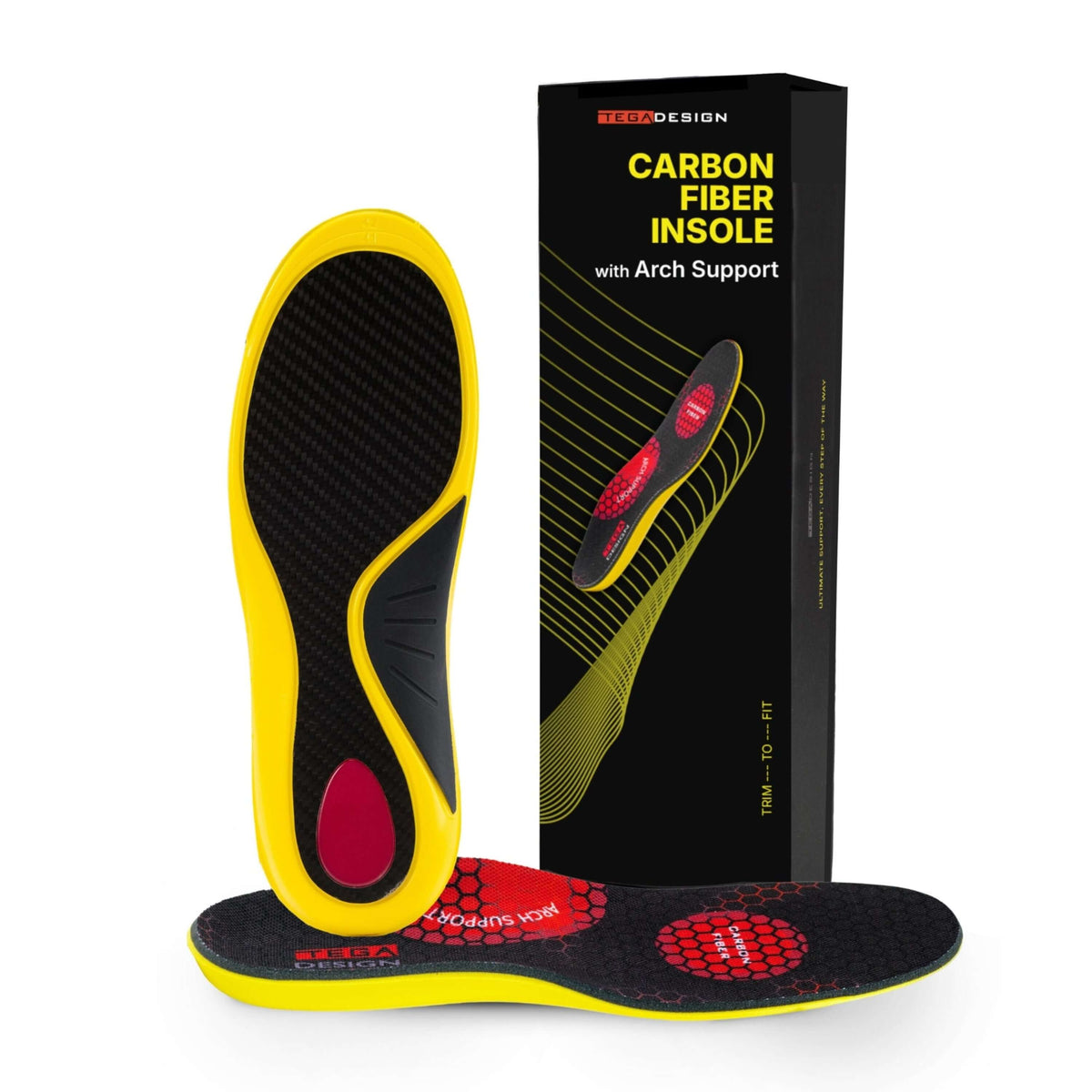
Carbon Fiber Insole with Arch Support
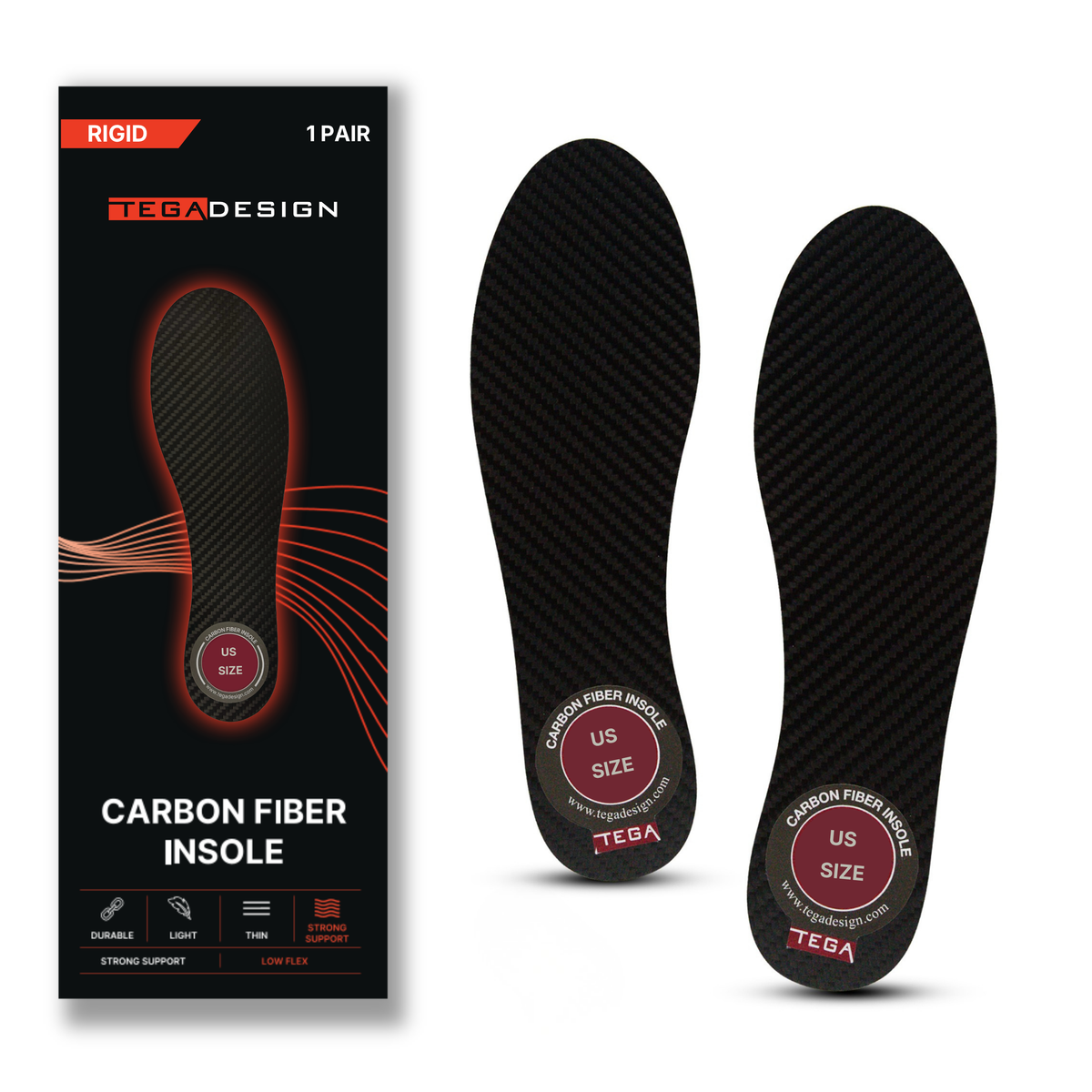
Rigid Carbon Fiber Insole (1.3mm)
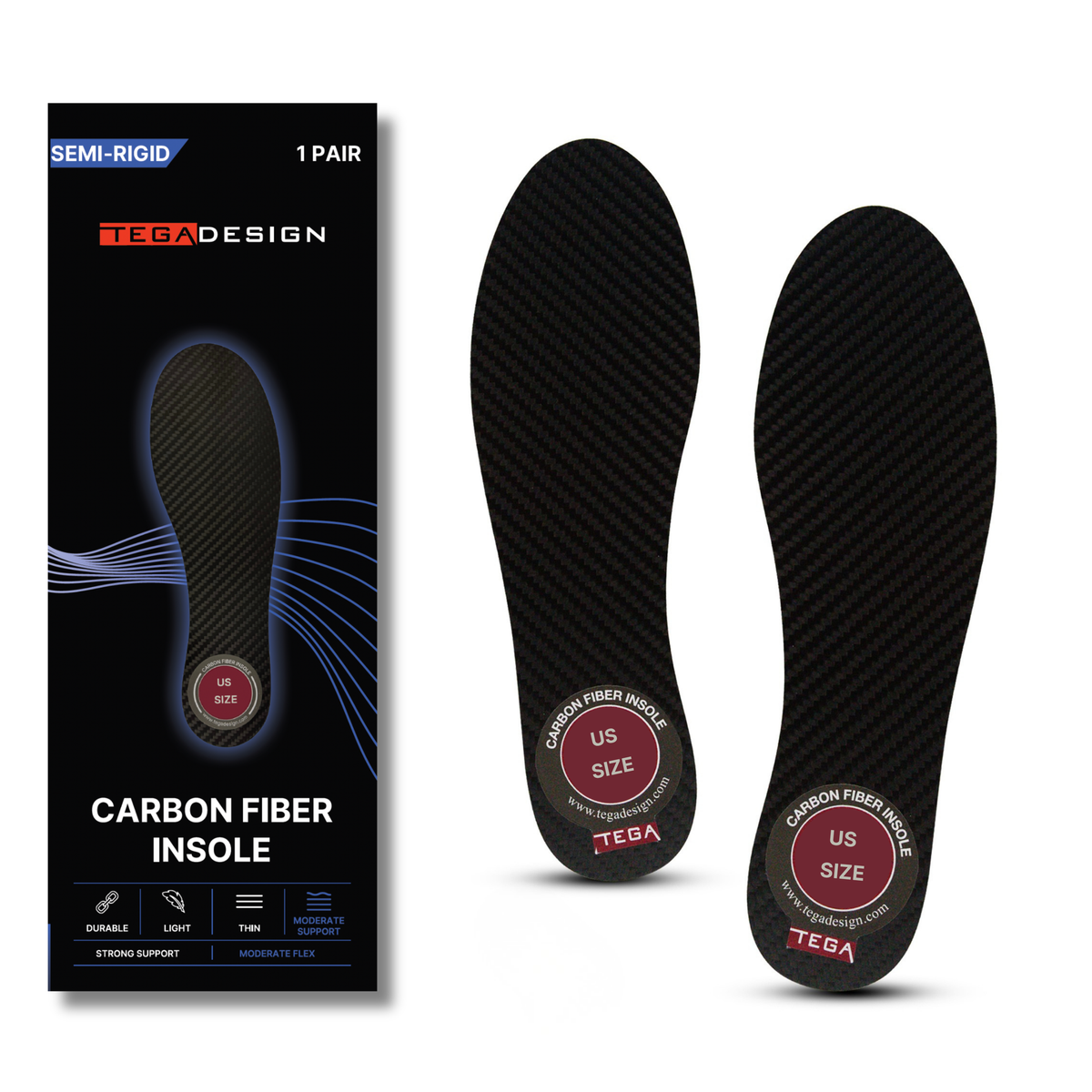
Semi-Rigid Carbon Fiber Insole (1.1 mm)
Carbon Fiber Insoles Built for Serious Runners
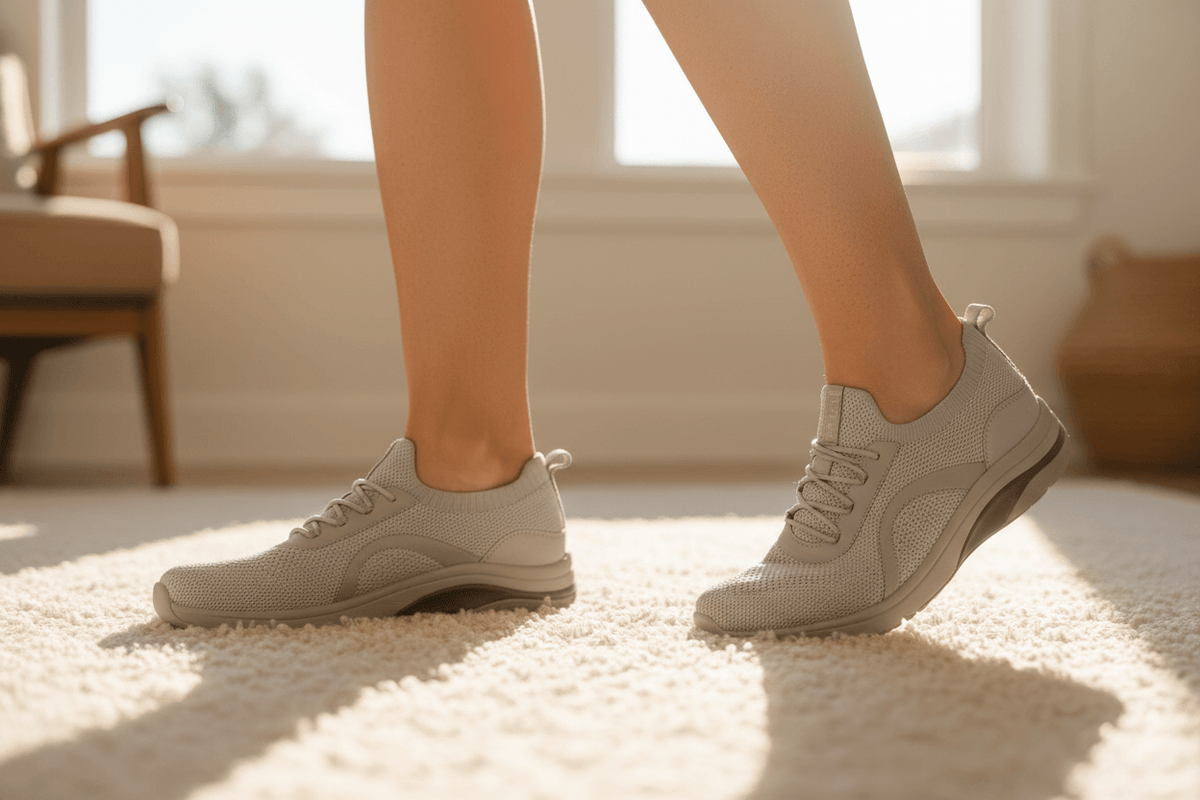
Mile after mile, unsupported feet absorb repetitive stress that can contribute to discomfort in the feet and lower legs. Tega Design's carbon fiber insole for running collection provides a structured foundation for runners who want additional support without relying solely on soft cushioning. The firm construction can help limit excessive foot movement while maintaining a stable feel inside compatible running shoes. Training for a 5K or a marathon can place different demands on the feet, making proper fit, comfort, and support important considerations. A well-selected insole can complement a runner's footwear setup during regular training and everyday activity.
Why Runners Are Switching to Carbon Fiber
Traditional foam running insoles provide cushioning but may compress with repeated use, changing their feel and level of support over time. Carbon fiber is valued for its rigidity and ability to maintain its structural properties through regular wear. These can provide runners with a more consistent foundation during repeated training sessions. The firm construction may also help control excessive movement and provide additional forefoot stability. Runners should consider their footwear, training volume, comfort preferences, and individual support requirements when choosing an insole.
What Sets Our Running Insoles Apart
Our Carbon fiber running insoles combine a structured carbon fiber base with designs intended for active footwear and regular use. Their firm construction provides a supportive platform beneath the foot without depending entirely on thick cushioning. Different runners may have different preferences for rigidity based on their activities and footwear. The low-profile design can also be useful when maintaining sufficient space inside compatible running shoes is important.
Energy Return With Every Stride
The rigid carbon panel provides a firm surface beneath the foot that can help maintain a more stable platform during push-off. Unlike soft materials that compress under load, carbon fiber maintains its structural form as pressure is applied. This can create a more controlled underfoot feel during repeated strides. However, the insoles should be viewed primarily as a source of structure and stability rather than a guaranteed performance enhancer.
Lightweight, Low-Profile Build
Carbon fiber offers a high level of structural rigidity without requiring a thick or bulky construction. This allows the insole to provide firm support while maintaining a relatively streamlined profile. A low-profile design can help preserve the fit of compatible running shoes when there is limited room inside the footwear. Checking the shoe's available space and the product's fitting guidance can help ensure a comfortable setup.
Trusted Support From New Jersey to the Trail
We provide athletic running insoles in NJ that runners can consider when they want a structured option for training and everyday activities. Road runners may appreciate the consistent support during repetitive movement, while trail runners can benefit from a stable foundation when navigating varied surfaces. The suitability of any insole depends on the runner's footwear, foot structure, activity, and individual comfort needs.
Run Stronger Starting Today
Proper footwear and appropriate foot support can contribute to a more comfortable training routine, particularly during periods of increased activity. Runners should also pay attention to persistent pain and seek professional guidance when symptoms continue or worsen. Pair these insoles with carbon fiber insoles for basketball players available at Tega Design if you need structured support for another athletic activity. Explore the running collection today and choose an option that fits your footwear, training routine, and support preferences.
What Is the Best Insole for Arthritis?
Frequently Asked Questions
Can an insole really help with foot arthritis?
Yes — specifically by reducing the mechanical stress on the arthritic joint during walking. An insole won't reverse cartilage damage, but it removes the repeated motion that keeps the joint inflamed and painful. Many people with hallux rigidus find that a rigid insole is what allows them to stay active without surgery.
Is the Very Rigid (1.5mm) always the right choice for arthritis?
For advanced hallux rigidus or cases where pain is significant with every step, yes. For earlier-stage arthritis (hallux limitus with mild to moderate symptoms), the Rigid 1.3mm may be sufficient. If you're unsure, use the Insole Finder to get a guided recommendation.
Will a rigid insole feel uncomfortable?
It feels different from a cushioned insole — there's no softness underfoot. Most people adapt within a week. The rigidity that takes getting used to is exactly what's protecting the joint.
Can I use this insole after foot surgery?
The Very Rigid 1.5mm is listed as appropriate for post-op recovery on the product page. That said, always follow your surgeon's specific post-operative protocol before adding any insoles during recovery.