
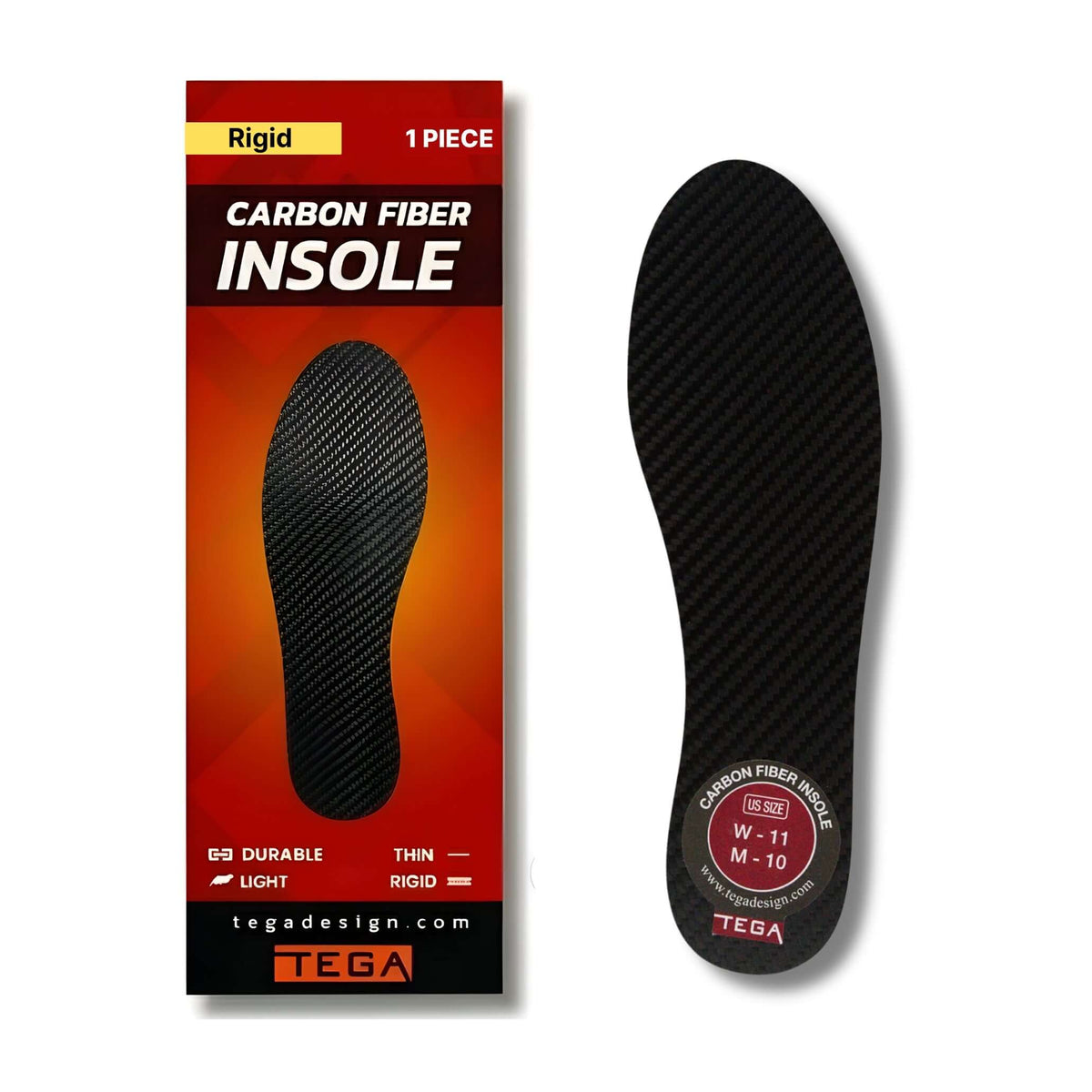
Rigid Carbon Fiber Insole (1.3mm)
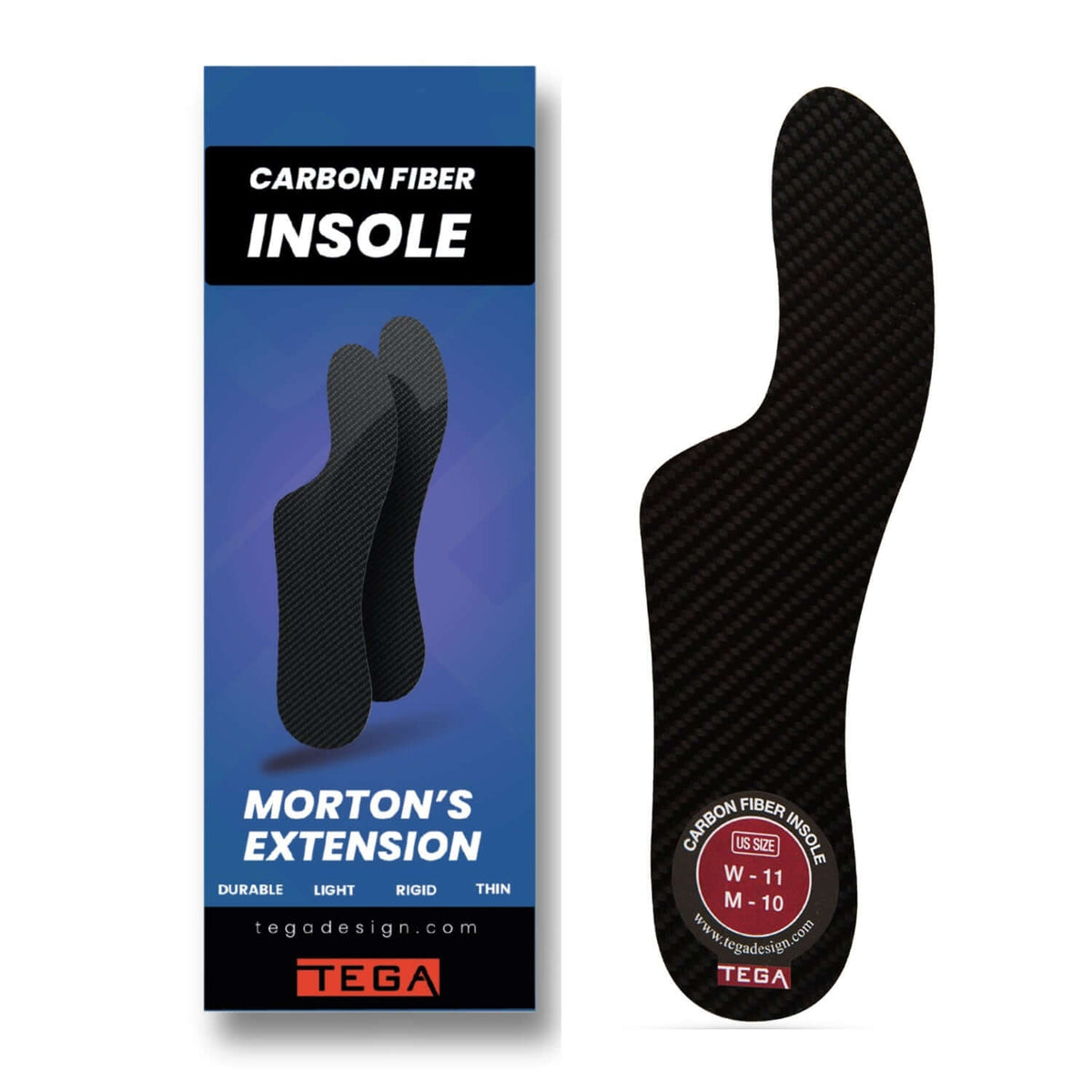
Morton's Extension Orthotic (1.3mm)
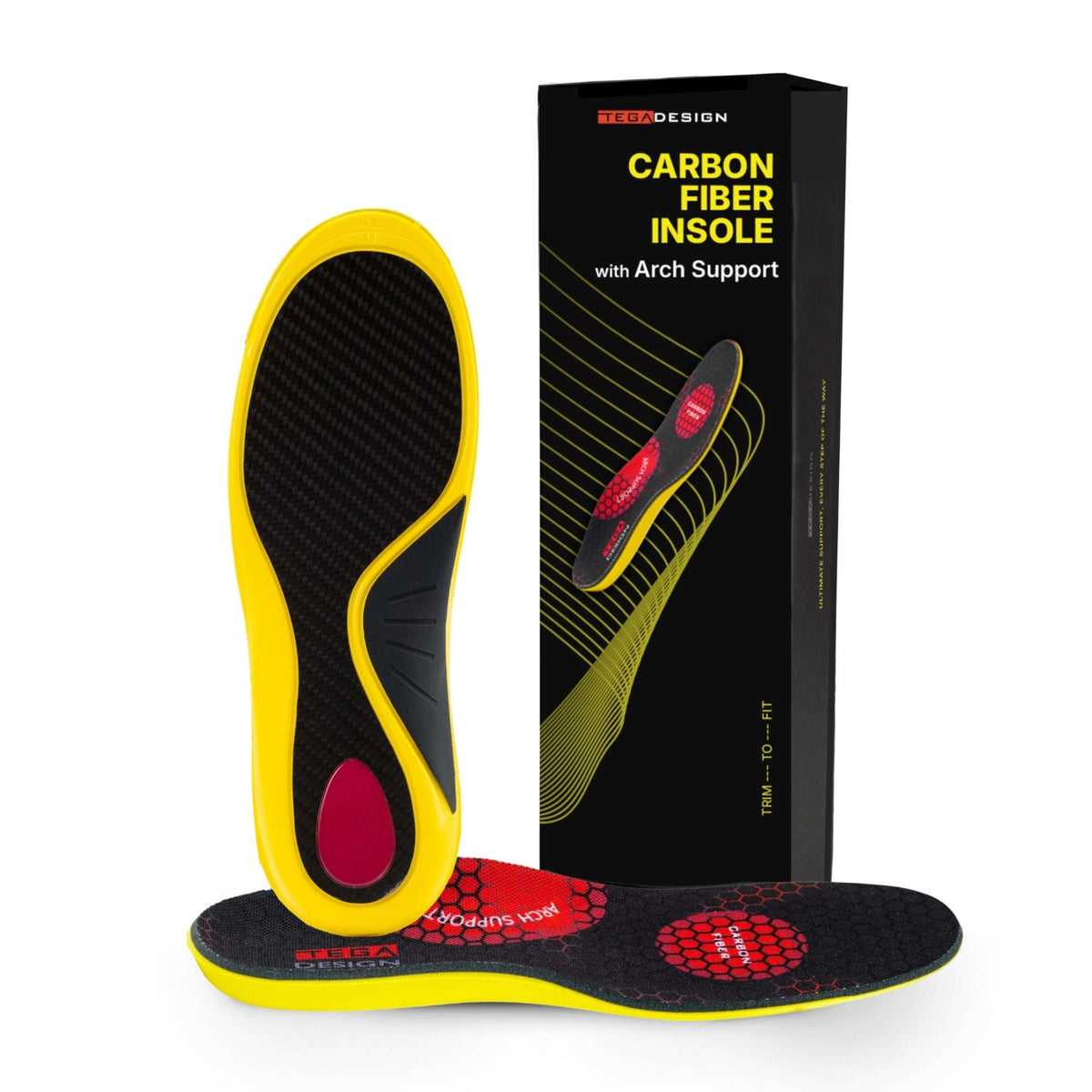
Carbon Fiber Insole with Arch Support
Insoles for Smoother, Freer Movement
Limited motion in the big toe joint can make simple activities like walking uphill or climbing stairs uncomfortable. Tega Design offers the best insole for hallux limitus, providing additional structure and support around the forefoot. Its rigid carbon fiber construction can help limit excessive bending at the big toe joint while providing a stable foundation during everyday movement. This collection gives users a non-surgical support option that can complement appropriate footwear and a foot-care routine.
What Causes Hallux Limitus
Hallux limitus involves restricted movement at the big toe joint and can develop for several different reasons. Repetitive stress, previous joint injuries, foot structure, and degenerative changes may all contribute to reduced motion over time. Symptoms can include stiffness, discomfort, or difficulty moving the big toe through its normal range. Hallux limitus may have several contributing factors, so persistent or increasing discomfort warrants an evaluation by a qualified healthcare professional. Proper assessment can clarify what is affecting the joint and help determine appropriate support or care.
Benefits of the Right Hallux Limitus Insole
Our well-designed insoles for hallux limitus can provide a firm platform that helps limit excessive bending at the big toe joint. This added structure can reduce the amount of movement required from the joint during certain activities. These properly fitted insoles may also provide a more stable and comfortable base for walking and standing.
Improved Toe Mobility
A rigid insole does not restore joint mobility itself, but it can help control excessive motion that may feel uncomfortable during movement. By limiting certain degrees of bending, the design can allow the foot to move within a more supported range. The result can be a more controlled feel during everyday activities.
Support for the Big Toe Joint
A firm carbon fiber base can provide additional structure beneath the forefoot where greater stability may be desirable. By supporting the foot during each step, the insoles can help reduce unnecessary movement around the affected area. This makes a rigid design a practical option for people who want additional support without relying solely on soft cushioning.
Who This Collection Is Made For
People noticing stiffness, mild pain, or a grinding sensation during the first stages of joint wear are ideal candidates for early intervention with this insole style. Active individuals who want to stay on their feet without surgery often turn here first, since rigid support addresses the mechanical cause directly. Anyone told by a podiatrist that their toe joint shows early degenerative changes should strongly consider this option before symptoms advance further.
Buy Hallux Limitus Insoles Today
Joint conditions like this rarely improve without proper support, and waiting only allows the underlying damage to progress unchecked. For anyone experiencing broader forefoot discomfort, Tega Design has shoe inserts for big toe pain that provide complementary support worth considering as well. Order now and take control of your joint health before limited motion becomes a bigger problem.
What Is the Best Insole for Hallux Limitus?
Frequently Asked Questions
What is hallux limitus?
Hallux limitus is a condition where the big toe joint loses its normal range of motion due to progressive cartilage wear and joint degeneration. Unlike hallux rigidus — where movement is nearly gone — hallux limitus is the earlier stage, where bending is restricted but still possible. The big toe needs to bend upward about 60 degrees during every step; when that movement becomes limited, pain, stiffness, and gait compensation follow.
How is hallux limitus different from hallux rigidus?
They are the same condition at different stages of severity. Hallux limitus comes first — the joint is stiff and painful but still has some mobility. Hallux rigidus is the advanced stage, where the joint becomes nearly or completely fused. The good news: the right insole can help slow progression and manage symptoms at both stages.
Can an insole actually help with hallux limitus?
Yes — and catching it at the limitus stage is actually the ideal time to intervene with an insole. Because some movement remains, protecting the joint from repeated stress during walking can slow cartilage breakdown and delay progression to rigidus. A rigid insole reduces how much the joint is forced to bend with every step, giving it a chance to recover.
Why carbon fiber instead of plastic or foam?
Carbon fiber is stronger, thinner, and more durable than alternatives. A 1.3mm carbon fiber plate provides more rigidity than a much thicker plastic shell, fits inside regular shoes without crowding the foot, and doesn't compress or soften over time. Foam insoles offer cushioning but no joint protection — they do nothing to limit harmful bending at the MTP joint.
Is hallux limitus the same as a bunion?
No. A bunion (hallux valgus) is a bony bump caused by the big toe drifting toward the second toe — a structural deformity. Hallux limitus is a motion problem caused by joint degeneration. The two conditions can coexist, but they have different causes and treatments. An insole with a Morton's Extension addresses hallux limitus; bunions require different intervention.

Check out our blog post about Hallux Limitus!