
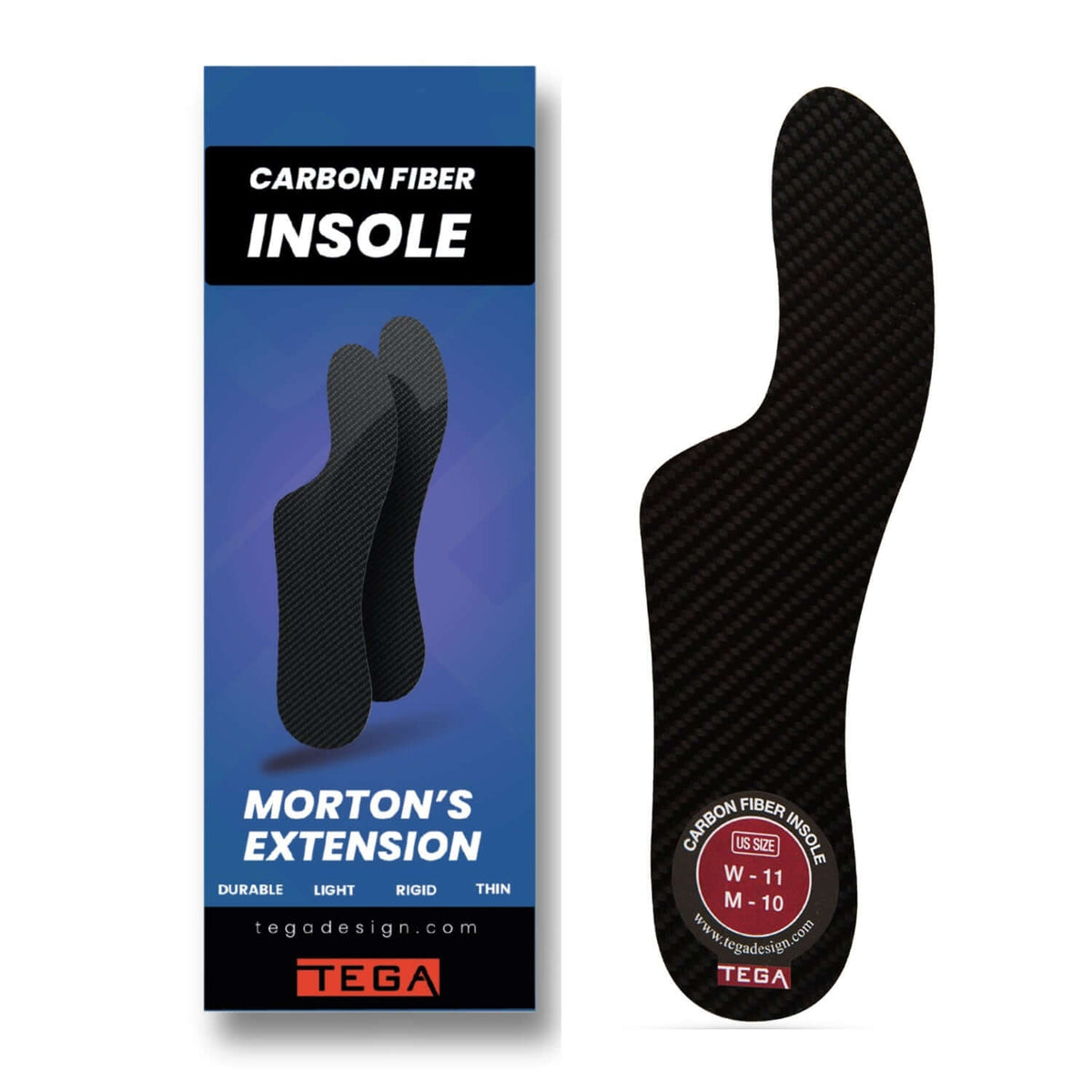
Morton's Extension Orthotic (1.3mm)
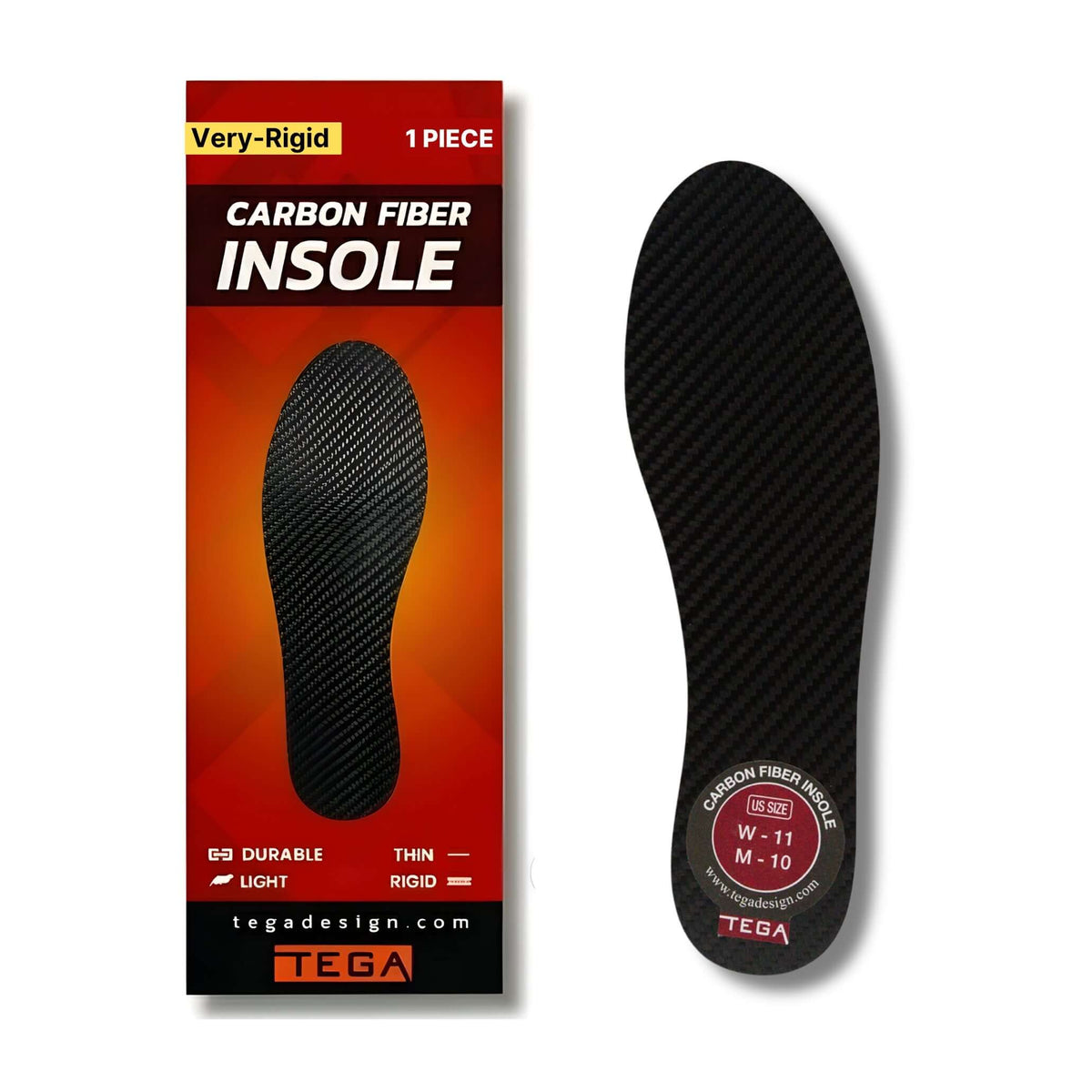
Very Rigid Carbon Fiber Insole (1.5mm)
Hallux Rigidus Insoles Made for Real Relief
A stiff, painful big toe joint changes how a person walks, stands, and even sleeps at night from the discomfort. Tega Design created this hallux rigidus insole collection specifically for that struggle, using rigid carbon fiber panels that block the bending motion responsible for most of the pain. Instead of masking symptoms with cushioning, this approach addresses the mechanical cause directly, giving sufferers a shoe insert built around their actual diagnosis. The firm construction can help create a more controlled foundation for everyday movement.
Understanding Hallux Rigidus and Big Toe Arthritis
Hallux rigidus develops when cartilage in the big toe joint wears down, often progressing into a form of degenerative arthritis. Bending the toe becomes painful, sometimes impossible, and ordinary shoes offer little help once the joint stiffens. Dedicated big toe arthritis orthotic insoles limit that bending motion at its source, which is why podiatrists so often recommend rigid support over soft cushioning for this specific condition.
How a Hallux Rigidus Orthotic Restores Comfortable Movement
Properly designed hallux rigidus orthotic insoles do more than pad the shoe. It changes how force travels through the foot with each step. Its structured design can help limit excessive movement around the big toe while providing a more stable base for walking. This added support can make everyday movement feel more controlled and comfortable.
Reduced Joint Strain
By preventing excessive flexion at the toe joint, the insole spreads pressure across a wider surface. That redistribution takes stress off the damaged cartilage and noticeably reduces sharp, localized pain during walking.
Support Through Every Stage of the Day
Morning stiffness, midday activity, and evening fatigue all place different demands on the joint. Consistent rigid support throughout the day helps prevent the flare-ups that many sufferers experience once swelling sets in after hours on their feet.
Who Benefits Most from This Collection
Anyone diagnosed with early-stage or advanced hallux rigidus, general big toe arthritis, or lingering stiffness after a joint injury will notice a difference almost immediately. Runners and walkers managing the condition often pair these insoles with supportive athletic shoes to stay active without aggravating the joint further. Office workers on their feet for long shifts also find relief, since the rigid base prevents the repetitive micro-movements that worsen pain over time.
Order Your Relief Today
Living with big toe stiffness does not have to mean giving up daily activities or settling for discomfort. Tega Design offers thoughtfully designed foot-support solutions backed by a three-year warranty for added peace of mind. Consider adding Morton's extension insoles to your footwear setup when additional forefoot support is needed. The structured insoles can provide added stability while helping you stay comfortable during everyday movement. Explore the collection today and choose the support that fits your comfort and activity needs.
What Is the Best Insole for Hallux Rigidus?
Frequently Asked Questions
What is hallux rigidus?
Hallux rigidus is a form of degenerative arthritis affecting the big toe joint (the first metatarsophalangeal joint). It causes progressive stiffness, pain, and loss of motion — making activities like walking, running, and climbing stairs increasingly difficult. It's one of the most common foot conditions in adults.
What features should I look for in an insole?
The most important feature is rigidity. A stiff insole limits how much your big toe joint bends with each step, which directly reduces pain and joint stress. You also want a low-profile design that fits inside regular shoes without adding bulk, and enough durability to hold up under daily use.
Why is carbon fiber the preferred material?
Carbon fiber plates are the gold standard for hallux rigidus because they provide rigid resistance to toe flex while remaining featherlight and slim. Unlike plastic or foam insoles, carbon fiber doesn't compress or lose stiffness over time, and its thin profile (typically around 1.3mm) means it fits inside most athletic and casual shoes without crowding the foot. A 2022 clinical study published in Foot & Ankle Orthopaedics found that people with hallux rigidus were more likely to consistently wear carbon fiber insoles compared to traditional rigid orthotics — and experienced greater comfort, a key factor in long-term pain management.
What is a Morton's Extension, and why does it matter?
A Morton's Extension is a design feature where the insole extends under the big toe, rather than stopping at the ball of the foot. This extension is what actually immobilizes the toe joint. Without it, a rigid insole still allows the big toe to bend freely at push-off — which is exactly the movement that causes pain in hallux rigidus. By stabilizing the big toe joint from heel to toe, a Morton's Extension insole limits stress on the MTP joint, reduces pain, and supports healthier alignment through each step.
What's the bottom line?
For hallux rigidus, the ideal insole combines a rigid carbon fiber plate with a Morton's Extension. This pairing addresses the root cause of the pain: unwanted joint movement. Look for a full-length design that fits your everyday shoes, and make sure the sizing is snug — the insole should sit flat without shifting inside the shoe. If you're ready to try one, the Tega Design Carbon Fiber Insole with Morton's Extension is built specifically for conditions like hallux rigidus.

Check out our blog post about Hallux Rigidus!