
Carbon fiber insoles for hallux rigidus relief provide rigid support to limit big toe joint movement, reducing pain and inflammation. Their lightweight design alleviates pressure, enhances stability, and promotes comfort, making them ideal for managing symptoms during daily activities.
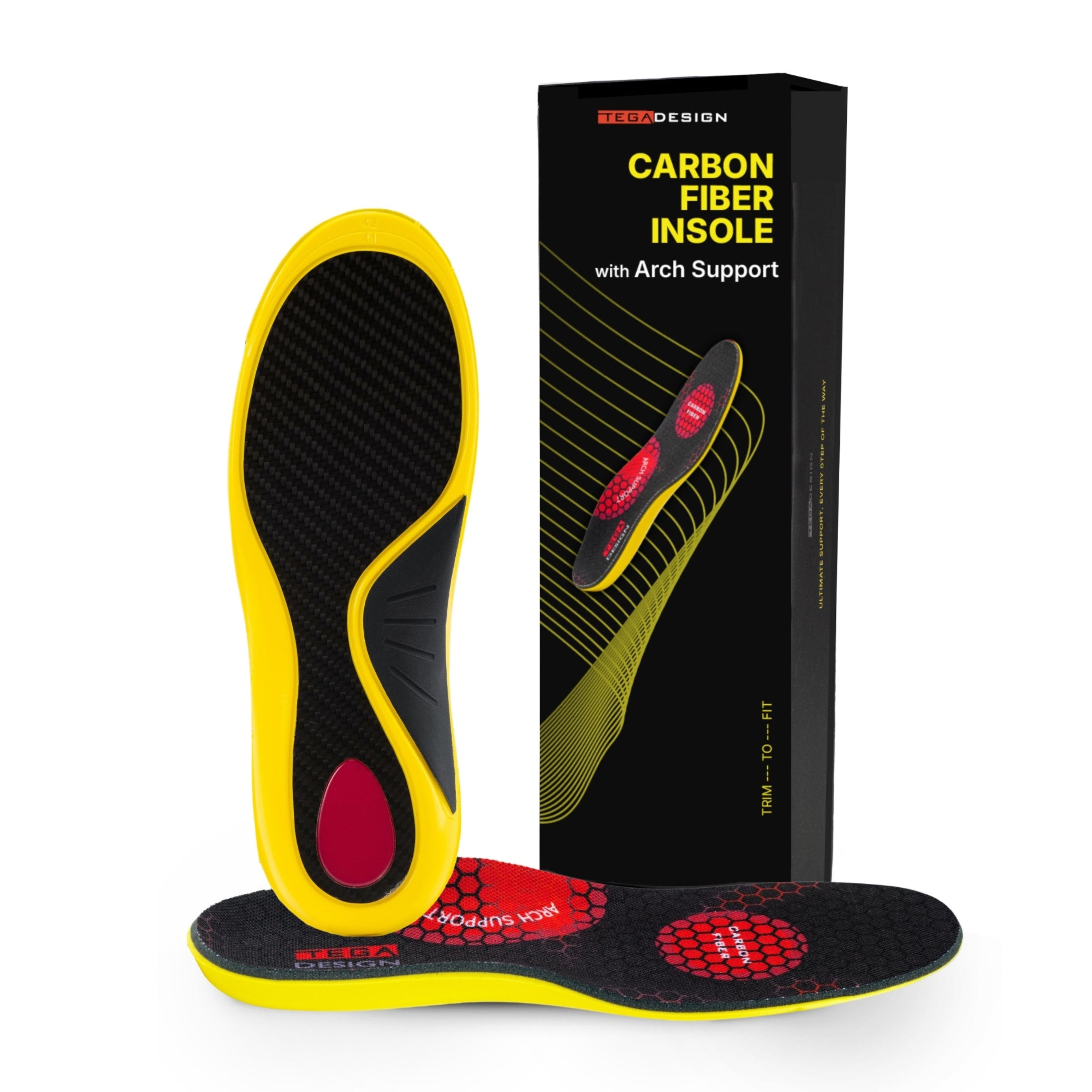
Carbon Fiber Insole with Arch Support
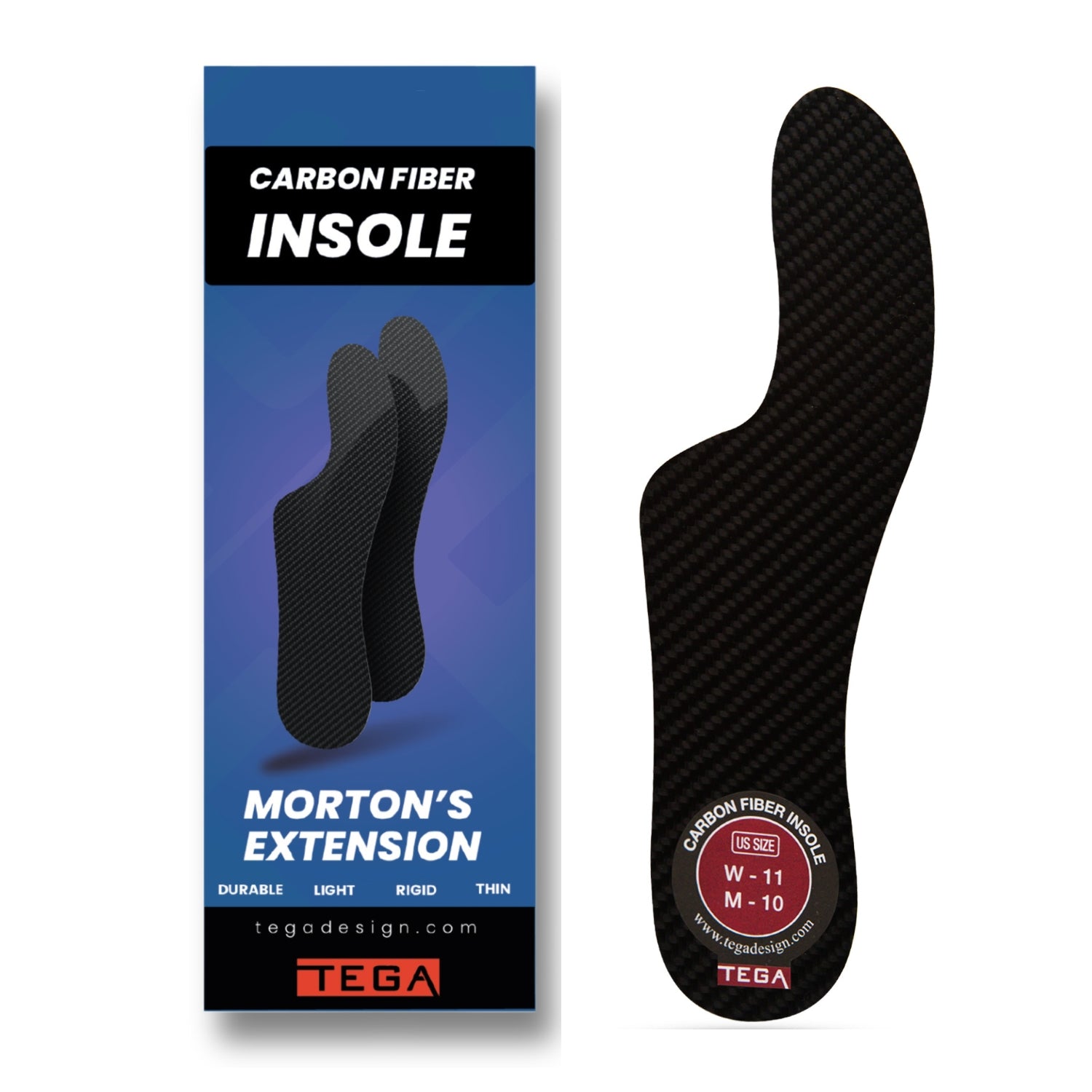
Morton's Extension Orthotic (1.3mm)

Rigid Carbon Fiber Insole (1.3mm)

Very Rigid Carbon Fiber Insole (1.5mm)
What Is the Best Insole for Hallux Rigidus?
Frequently Asked Questions
What is hallux rigidus?
Hallux rigidus is a form of degenerative arthritis affecting the big toe joint (the first metatarsophalangeal joint). It causes progressive stiffness, pain, and loss of motion — making activities like walking, running, and climbing stairs increasingly difficult. It's one of the most common foot conditions in adults.
What features should I look for in an insole?
The most important feature is rigidity. A stiff insole limits how much your big toe joint bends with each step, which directly reduces pain and joint stress. You also want a low-profile design that fits inside regular shoes without adding bulk, and enough durability to hold up under daily use.
Why is carbon fiber the preferred material?
Carbon fiber plates are the gold standard for hallux rigidus because they provide rigid resistance to toe flex while remaining featherlight and slim. Unlike plastic or foam insoles, carbon fiber doesn't compress or lose stiffness over time, and its thin profile (typically around 1.3mm) means it fits inside most athletic and casual shoes without crowding the foot. A 2022 clinical study published in Foot & Ankle Orthopaedics found that people with hallux rigidus were more likely to consistently wear carbon fiber insoles compared to traditional rigid orthotics — and experienced greater comfort, a key factor in long-term pain management.
What is a Morton's Extension, and why does it matter?
A Morton's Extension is a design feature where the insole extends under the big toe, rather than stopping at the ball of the foot. This extension is what actually immobilizes the toe joint. Without it, a rigid insole still allows the big toe to bend freely at push-off — which is exactly the movement that causes pain in hallux rigidus. By stabilizing the big toe joint from heel to toe, a Morton's Extension insole limits stress on the MTP joint, reduces pain, and supports healthier alignment through each step.
What's the bottom line?
For hallux rigidus, the ideal insole combines a rigid carbon fiber plate with a Morton's Extension. This pairing addresses the root cause of the pain: unwanted joint movement. Look for a full-length design that fits your everyday shoes, and make sure the sizing is snug — the insole should sit flat without shifting inside the shoe. If you're ready to try one, the Tega Design Carbon Fiber Insole with Morton's Extension is built specifically for conditions like hallux rigidus.

Check out our blog post about Hallux Rigidus!