
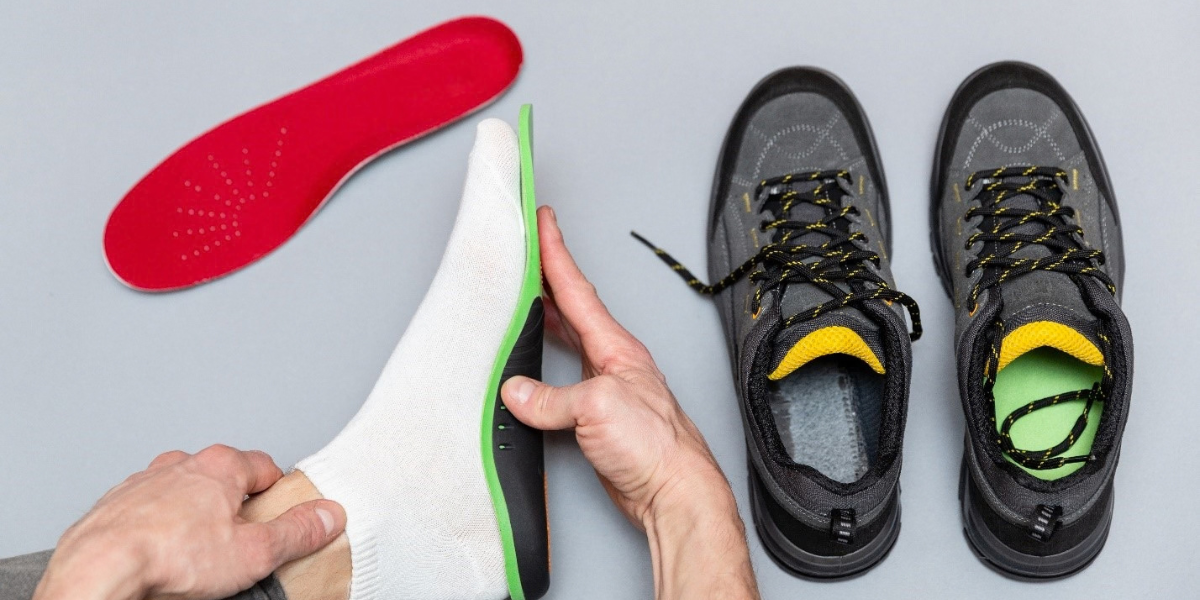
Executive Summary: Shoe soles vary in stiffness, and that difference can influence how your foot moves with every step. Flexible soles allow greater foot motion, while stiffer soles restrict some movement and alter how forces travel through the foot and lower limb. These changes can affect pressure distribution, joint movement, balance, and comfort during walking, running, and everyday activities.
Every pair of shoes carries a hidden personality built right into its sole. Some soles bow and bend under the lightest pressure, moving with your foot at every turn. Others hold firm, barely yielding no matter how hard your heel or toes push down. That personality quietly steers your entire walk, adjusting how your joints load, how your muscles work, and how tired your legs feel by day's end.
Sole stiffness drives the footwear effect on gait mechanics behind every stride, shaping comfort long before you notice it. Once you understand how it works, it can change how you shop for shoes altogether.
How Does Footwear Affect Walking Mechanics?
Your foot bends, rolls, and pushes forward with every step, and the sole decides how much freedom it allows for that motion. A soft, flexible sole generally allows more foot movement during the stride, while a stiffer sole restricts some of that motion. This difference in flexibility can influence shoe sole design and gait, shaping how comfortably and naturally your foot moves with every step.
Push-off is where the difference gets loud. Your big toe joint wants to bend so your foot can roll forward, and a flexible sole lets that bend happen where it belongs. A stiffer sole restricts some of this bending and can change how motion and loading are distributed across the foot and lower limb. Over a long day, that load shift adds up fast.
How Does Foot Pressure Change While Walking?
Foot pressure never sits still while you walk. It shifts across your heel, midfoot, and toes in a fraction of a second, and sole stiffness guides that path directly. Understanding the foot pressure during the walking cycle explains why one pair of shoes feels supportive while another feels harsh.
Pressure At Heel Contact
The first pressure spike happens as your heel lands. Sole hardness and cushioning can influence heel-contact pressure, but the effect depends on shoe construction and the wearer. Flexible soles can help absorb and distribute impact, while firmer soles may concentrate pressure in smaller zones, creating a harder landing.
Pressure Through The Midfoot
Midfoot pressure builds as your body weight rolls forward over your arch. A flexible sole lets this pressure move smoothly because the shoe bends with your foot. A stiff sole can create a pressure ridge where the material resists bending.
Pressure Under The Forefoot
Forefoot pressure rises sharply just before push-off, especially under the big toe joint. Stiff soles that block toe bending push more pressure into this small area. Flexible soles let the toes share that load more evenly.
Pressure Changes With Speed
A faster pace raises peak pressure at every stage of the stride. A flexible sole that moves with the foot keeps this rise gradual. A stiff sole makes pressure climb sharply as your pace picks up, since it absorbs less force.
Pressure And Body Weight
Heavier body weight increases pressure at every point in the stride, and sole stiffness magnifies or softens that effect. A flexible sole with good cushioning spreads higher body weight across more surface area. A stiff sole concentrates that weight into narrower zones.
Pressure And Foot Shape
Flat feet, high arches, and neutral arches distribute pressure differently, and sole stiffness interacts with each pattern differently. A rigid sole under a high arch can create pressure points at the heel and forefoot. A flexible sole generally adapts more easily to uneven arches.
Why Do Different Shoe Soles Feel Different?
Pick up two pairs of shoes and bend the soles with your hands, and you will feel two different responses. That difference comes from real physical properties, not marketing labels. Material choice, thickness, and construction shape the sole design and gait connection you feel with every wear.
- Material density: Dense rubber or hard plastic composites resist bending far more than soft foam or gel. Denser materials transmit more ground force straight through the shoe.
- Sole thickness: A thicker sole adds distance between your foot and the ground, changing leverage and balance. Thinner soles keep you closer to the ground with a more direct feel.
- Tread pattern and grip: Deep grooves and varied tread patterns change how a sole grips different surfaces. A smoother sole may feel sleek, but it trades away some traction.
- Torsional stiffness: It controls how much the sole resists twisting, which can influence stability and movement during cutting and pivoting.
- Rocker shape: Some soles curve upward at the toe and heel, helping your foot roll forward with less joint bending. This shape can lower peak plantar force compared with a flat sole.
- Arch support: Built-in support changes how load is distributed beneath the foot and how it interacts with the shoe.
- Personal foot structure: Your own foot shape decides how any sole feels against your body. Foot condition and past injury shape which sole stiffness works best for you.
Flexible Soles vs Stiff Soles at a Glance
The table below lines up the main differences between flexible and stiff soles during walking.
|
Feature |
Flexible Sole |
Stiff Sole |
|
Heel impact |
Cushions and spreads shock |
Transfers more shock upward |
|
Midfoot bend |
Follows the foot's natural flex |
Resists bending; foot rolls over it |
|
Big toe motion |
Bends freely at push-off |
Motion limited, useful for toe pain relief |
|
Foot pressure |
Spread across a wider area |
Concentrated in smaller zones |
|
Best suited for |
Everyday comfort, natural movement |
Joint support, reduced big toe strain |
Flexible and stiff soles change gait and pressure differently, and neither is universally better. The right stiffness depends on the shoe's construction, activity, and the wearer's individual needs.
Frequently Asked Questions
How does sole thickness affect walking?
Thicker soles raise your foot further from the ground, changing balance and reaction time on uneven terrain.
What makes a shoe stable?
A wide base, firm heel counter, and twist-resistant sole material.
What makes a shoe flexible?
Soft, thin material that bends where your foot bends, closely following the natural pressure and movement of a barefoot stride.
Why do some shoes feel harder to bend?
Rigid materials such as carbon fiber resist bending by design, usually to support the big toe joint.
How does footwear influence foot pressure?
Softer material spreads pressure wider, while firmer material concentrates it into smaller zones.
Final Thoughts
Sole stiffness is not simply a matter of taste. It changes how your heel absorbs shock, how your midfoot bends, and how your toes push off with each step. The footwear effect on gait mechanics shows up in measurable ways, in pressure distribution and joint load alike. Paying attention to sole stiffness, along with your own foot health, can help you pick shoes that support how you actually move.
That shift in pressure and joint load starts right under your feet. Tega Design offers durable shoe inserts for big toe pain that provide added support and comfort where you need it most. Order today and stop asking one small joint to carry more than its share!
Share:
What Is Foot Rocker Geometry and How Does It Work?