
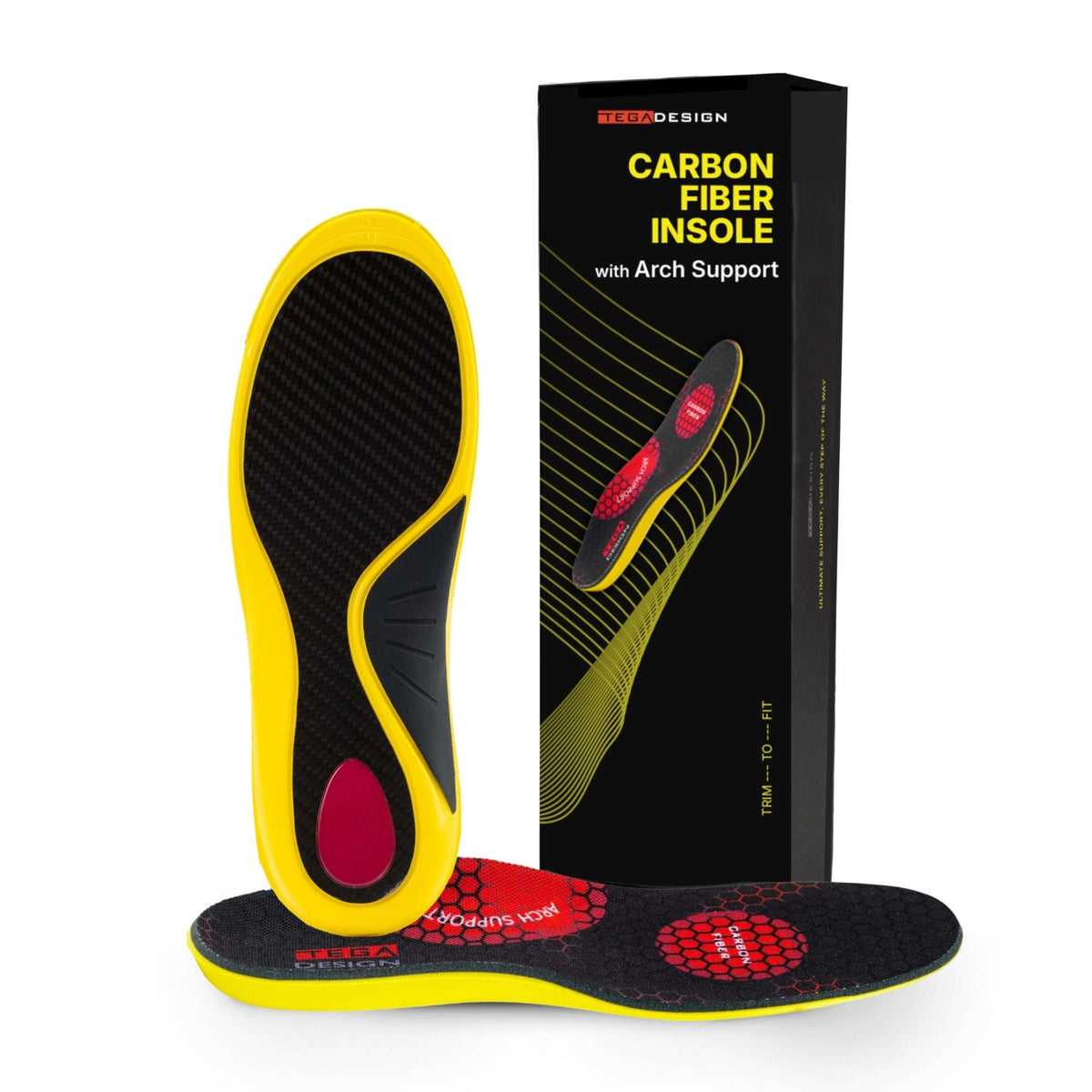
Carbon Fiber Insole with Arch Support
Plantar Fasciitis Insoles That Ease Heel Pain
That sharp stab in the heel with the first step out of bed has a name, and supportive footwear can play a role in managing the discomfort associated with plantar fasciitis. Tega Design's plantar fasciitis insoles provide structured support beneath the foot, helping distribute pressure during everyday movement. The firm construction is designed to support the arch and heel rather than relying solely on soft cushioning. This collection was built around the common support needs of people experiencing plantar foot discomfort.
What Causes Plantar Fasciitis Pain
The plantar fascia is a strong strip of tissue beneath the foot that links the heel area with the toes. Repeated overstretching can place excessive strain on this tissue, leading to irritation and inflammation. Standing on hard floors, running without proper support, and even simple genetics can all contribute to this overstretching. Once inflamed, the tissue needs stability to recover, which is precisely what generic cushioned insoles fail to provide.
How These Insoles Deliver Real Relief
Effective plantar fasciitis shoe inserts are designed to provide structured support under the foot while helping manage pressure during everyday movement. A supportive insole can help create a more stable base for walking and standing. The right design should also complement the fit and structure of the footwear being used.
Direct Heel Pain Support
A structured heel cup combined with supportive arch backing can help distribute pressure more evenly across the foot rather than concentrating it around the heel. This design provides a stable foundation while adding targeted cushioning where it is needed. The combination of support and cushioning can make everyday walking more comfortable for people experiencing plantar foot discomfort.
Arch Stabilization Throughout the Day
Consistent arch support can help maintain a more stable foot position during repeated steps throughout the day. The structured insoles can also reduce excessive foot movement while providing support during standing, walking, and other daily activities. Choosing an insole that matches the individual's foot shape and support needs can contribute to a more comfortable experience.
Choosing the Right Insole for Your Symptoms
Mild cases often respond well to semi-rigid support paired with gentle arch contouring, while more severe or chronic insoles for heel pain situations may call for firmer, rigid construction. Runners recovering from a flare-up should prioritize shock absorption alongside arch stability, since impact forces compound the strain on healing tissue. A podiatrist consultation can help pinpoint the ideal rigidity level for anyone unsure where their symptoms fall.
Find Lasting Relief Now
Plantar fasciitis can persist when symptoms become ongoing, and the right insoles may provide useful support during daily activities. A supportive design can help manage pressure around the heel and arch while making walking more comfortable. Tega Design also offers carbon fiber shoe inserts if you need additional structure and stability beneath the foot. Shop the collection today and choose insoles designed around your comfort and support needs.
Frequently Asked Questions
What is plantar fasciitis and what causes it?
Plantar fasciitis is inflammation of the plantar fascia — the thick band of tissue that runs along the bottom of your foot, connecting the heel bone to the toes. It's one of the most common causes of heel pain, typically felt as a sharp stabbing sensation with the first steps in the morning. It's caused by repeated stress on the fascia, often from insufficient arch support, hard surfaces, prolonged standing, or sudden increases in activity.
How does an insole help with plantar fasciitis?
An insole works by supporting the arch and redistributing the load that would otherwise concentrate on the plantar fascia. A well-designed insole with a deep heel cup holds the foot in proper alignment, while shock-absorbing layers reduce the impact that travels up through the heel with every step. Together, these features take pressure off the inflamed tissue and allow it to recover.
Why choose a carbon fiber insole over a regular foam one?
Foam insoles compress over time and lose their structure — often within weeks of regular use. A carbon fiber insole maintains its shape and rigidity throughout its lifespan, providing consistent arch support day after day. The carbon fiber layer also adds a firmness that foam can't replicate, which is exactly what the arch needs to stay properly supported under load. The Tega Design Carbon Fiber Insole with Arch Support combines a carbon fiber base with gel shock absorption and breathable fabric — so you get structure and comfort in one.
Is it suitable for running and sports?
Absolutely. The insole is specifically built for high-impact activities — running, hiking, cycling, tennis, and basketball. The carbon fiber base provides stability during lateral movements, while the cushioning layers absorb repetitive impact that would otherwise aggravate the fascia. Many plantar fasciitis sufferers find that switching to a structured insole lets them stay active during recovery instead of sitting on the sidelines.
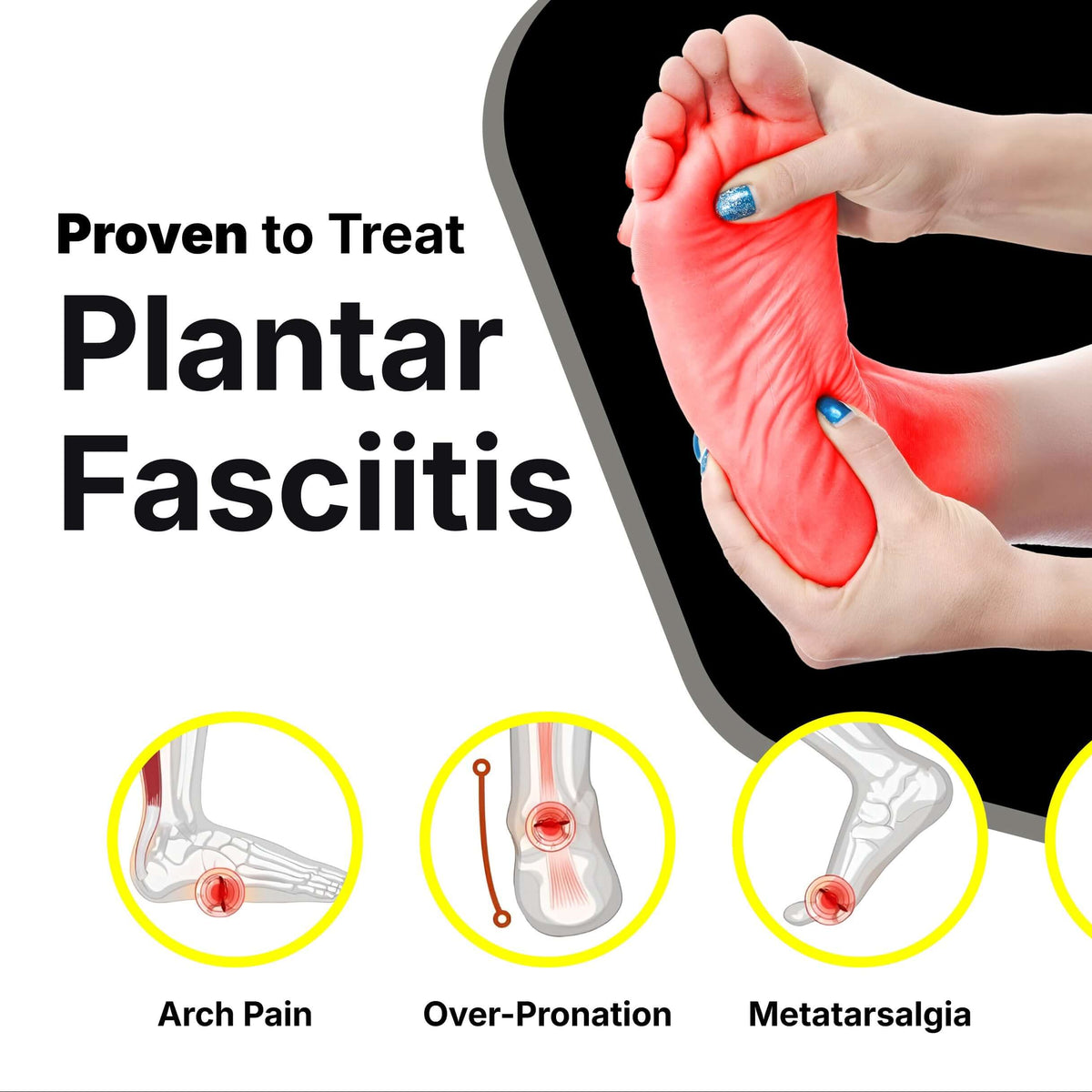
What is Plantar Fasciitis? How Insoles Help with Plantar Fasciitis?
Check out our blog post about Plantar Fasciitis!